

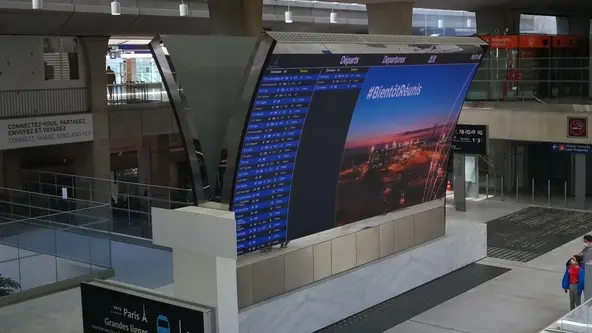
Ho firmato una nuova ordinanza che estende l’obbligo di test molecolare o antigenico ai cittadini provenienti da Parigi e altre aree della Francia con significativa circolazione del virus».

Lo annuncia su Fb il ministro della Salute Roberto Speranza. I dati europei, afferma, «non possono essere sottovalutati. L’Italia oggi sta meglio di altri Paesi, ma serve ancora grande prudenza per non vanificare i sacrifici fatti finora».

L’ordinanza sarà valida da domani.

Ecco le Regioni della Francia indicate nell’ordinanza: Alvernia-Rodano-Alpi, Corsica, Hauts-de-France, Île-de-France, Nuova Aquitania, Occitania, Provenza-Alpi-Costa azzurra.

Il test molecolare è il classico tampone nasofaringeo che viene processato in laboratorio e che richiede dunque in genere 24-48 ore per ricevere il referto. Il test antigenico è invece più rapido e viene adottato da diversi aeroporti italiani: il risultato si ha dopo circa un quarto d'ora e fotografa un reagente a contatto con materiale organico prelevato dal naso e dalla gola (generalmente in caso di positività viene eseguito poi un tampone molecolare).

Dovrebbero essere in arrivo anche le certificazioni nazionali per i test salivari, molto attesi, che funzionano come un normale test di gravidanza e possono dare iol risultato in cinque minuti o poco più. Secondo alcune ricerche scientifiche, la saliva sarebbe, per quantità e qualità del campione, il vettore più facile da analizzare in termini di verifica della presenza del nuovo coronavirus.

Oltre la metà dei dipartimenti francesi è ormai dichiarato in «zona rossa» per allerta coronavirus. In particolare, 50 dipartimenti corrispondenti alla maggioranza del territorio nazionale sono stati dichiarati in «zona di circolazione attiva del virus».

Una classificazione che permette, tra l’altro, ai prefetti di adottare misure supplementari per bloccare l’avanzata del nemico invisibile.
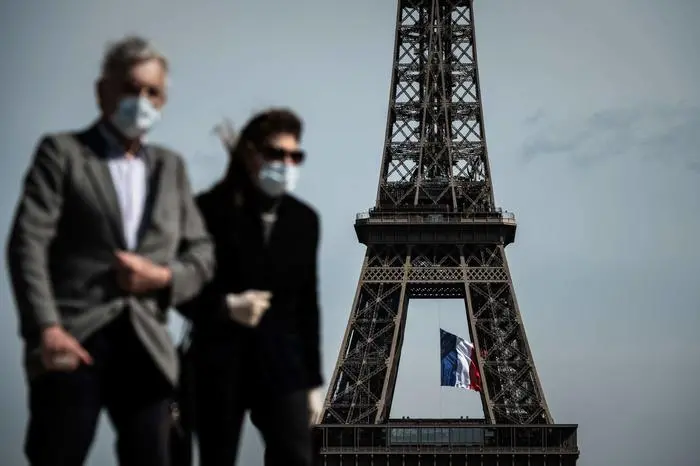
(FILES) In this file photo taken on May 11, 2020, a man and a woman wearing face masks walk on Trocadero Plaza as a French national flag flies on the Eiffel Tower in background in Paris on the first day of France's easing of lockdown measures in place for 55 days to curb the spread of the COVID-19 pandemic, caused by the novel coronavirus. - Wearing a mask will be compulsory in parts of Paris and its wider region from August 10, 2020, to combat a rise in coronavirus infections in and around the French capital, the police said. The mask will be obligatory for all those aged 11 and over from 8:00 am (0600 GMT) on August 10 \\\"in certain very crowded zones\\\", the police said in a statement on August 8, without yet detailing which areas were affected. (Photo by PHILIPPE LOPEZ / AFP)
(FILES) In this file photo taken on May 11, 2020, a man and a woman wearing face masks walk on Trocadero Plaza as a French national flag flies on the Eiffel Tower in background in Paris on the first day of France's easing of lockdown measures in place for 55 days to curb the spread of the COVID-19 pandemic, caused by the novel coronavirus. - Wearing a mask will be compulsory in parts of Paris and its wider region from August 10, 2020, to combat a rise in coronavirus infections in and around the French capital, the police said. The mask will be obligatory for all those aged 11 and over from 8:00 am (0600 GMT) on August 10 "in certain very crowded zones", the police said in a statement on August 8, without yet detailing which areas were affected. (Photo by PHILIPPE LOPEZ / AFP)