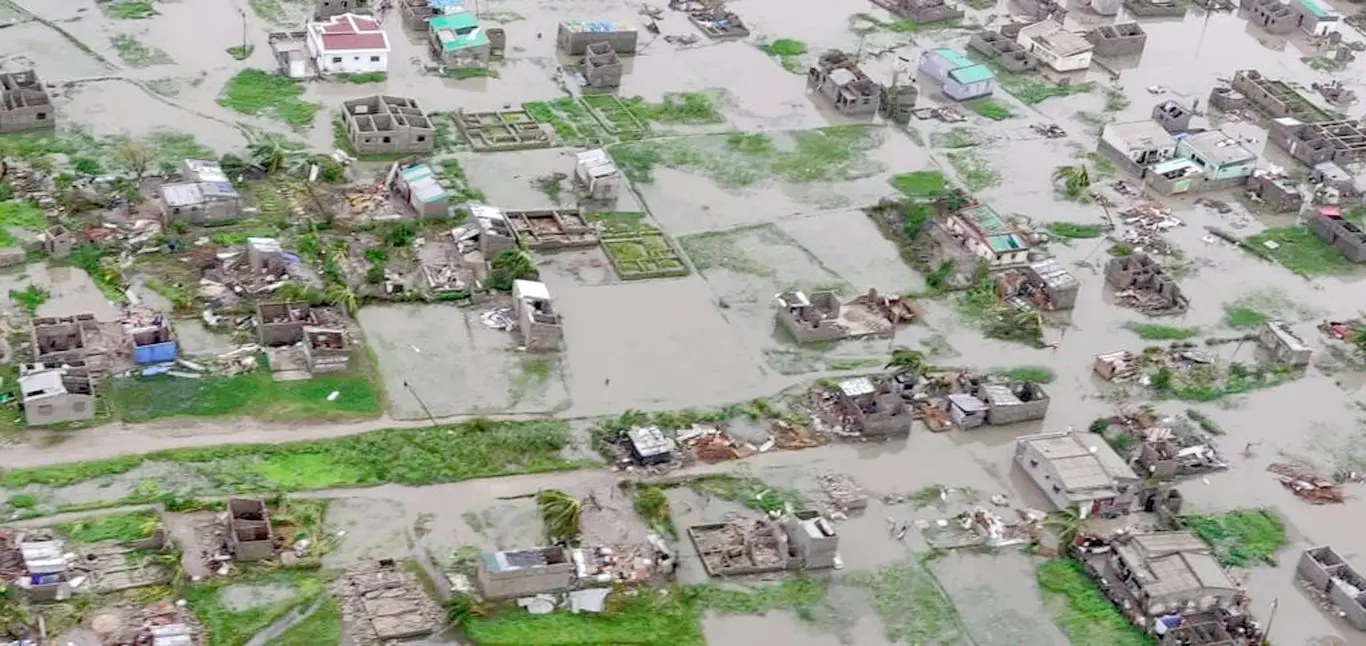

Danni incalcolabili agli edifici, infrastrutture stradali divorate dall’acqua. Morti e dispersi. Il ciclone Idai ha colpito il Mozambico centrale, e in particolare la città di Beira, nella provincia di Sofala, dove ha la sua sede centrale il consorzio di associazioni di cooperazione internazionale Cam Trentino, che da quasi vent’anni porta avanti nel paese progetti importanti di solidarietà e sviluppo.

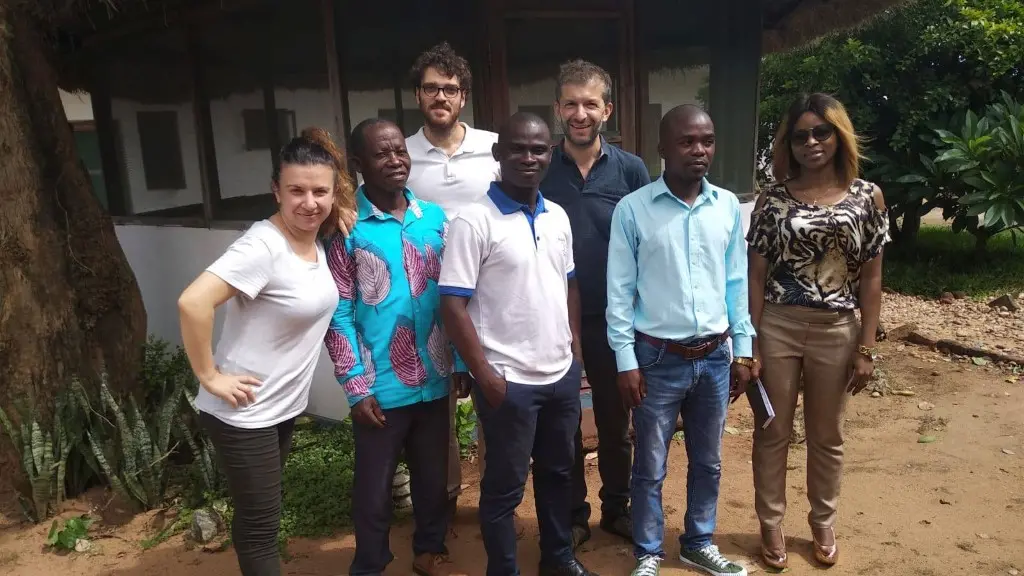
I due cooperanti trentini che sono lì stabilmente, Paolo Ghisu e Federico Berghi, sono fortunatamente sani e salvi: in questi giorni si trovavano infatti a circa trecento chilometri, e più precisamente a Caia, per condurre alcune attività di monitoraggio. «Stanno rientrando a Beira proprio in queste ore, una volta lì spero che riusciranno a darci informazioni più dettagliate anche sullo stato della nostra sede», spiega il presidente di Cam Paolo Rosati, che è in costante contatto con l’ambasciata italiana e aggiorna tutti di ora in ora, anche attraverso il sito e la pagina Facebook, sulla situazione. Ghisu, ingegnere, ha affidato poche parole ai colleghi qui in Italia per raccontare le ultime ore: «A Caía la situazione è tranquilla, nonostante lo Zambesi sia esondato e abbia danneggiato le coltivazioni di mais e sesamo, con conseguenze nefaste per la popolazione locale. A Beira e dintorni sono stati riportati danni enormi: la città è allagata e i danni alle infrastrutture e alle abitazioni sono ancora incalcolabili. Solamente da domenica in mattinata è stato possibile raggiungere Beira via aereo mentre l’unica via di accesso stradale alla città rimane bloccata a seguito dei danni riportati».

«Che dire? Beira è distrutta: allagata, senza corrente elettrica, con danni enormi agli edifici. Una tragedia», scandisce con amarezza Rosati. «Nelle scorse ore siamo riusciti a visionare alcune immagini girate dalla Croce rossa, che ha effettuato un primo sorvolo in elicottero. Poi ci arriva qualche notizia perché ogni tanto una compagnia telefonica funziona, anche se a tratti. Nelle zone povere ci sono stati parecchi morti, disastri. Le strade sono interrotte. Un dramma».

Il Cam, che lì opera da ormai quasi vent’anni, oltre ai due cooperanti trentini ha un’ottantina di dipendenti mozambicani, ha dovuto registrare, purtroppo, anche un ulteriore danno alla sua sede di Beira: «Oltre ad essere completamente allagata, abbiamo saputo che i ladri ci hanno portato via tutto».

Rosati rammenta «gli innumerevoli interventi, anche grossi, che siamo riusciti a realizzare»: una scuola di agraria sull’impronta di San Michele all’Adige, e poi la prima Cassa rurale del Mozambico. «Quella sta funzionando molto bene, la stiamo ampliando - aggiunge il presidente del consorzio - poi abbiamo un gruppo di assistenti domiciliari che segue una serie di malati di Aids, soprattutto nelle zone molto povere. Seguiamo inoltre quattro asili per bambini orfani e con l’università di Trento stiamo appoggiando i vari comuni nella programmazione e gestione dell’uso del suolo. Infine, ma purtroppo visto quanto accaduto non so davvero come andrà a finire, lavoriamo col comune di Beria per l’organizzazione e la gestione dei rifiuti urbani, cosa che lì rappresenta un grossissimo problema.  Non possiamo però nasconderci che la situazione, allo stato, è gravissima: parliamo di una città di 700.000 abitanti completamente isolata». I due cooperanti, però, rimarranno sicuramente a Beira: «Appena possibile ripartiremo con la ricostruzione, e loro saranno lì a coordinare tutte le iniziative. Siamo in grado di gestire tranquillamente la situazione e loro sono organizzati bene, ci daremo da fare quanto prima per ripartire».
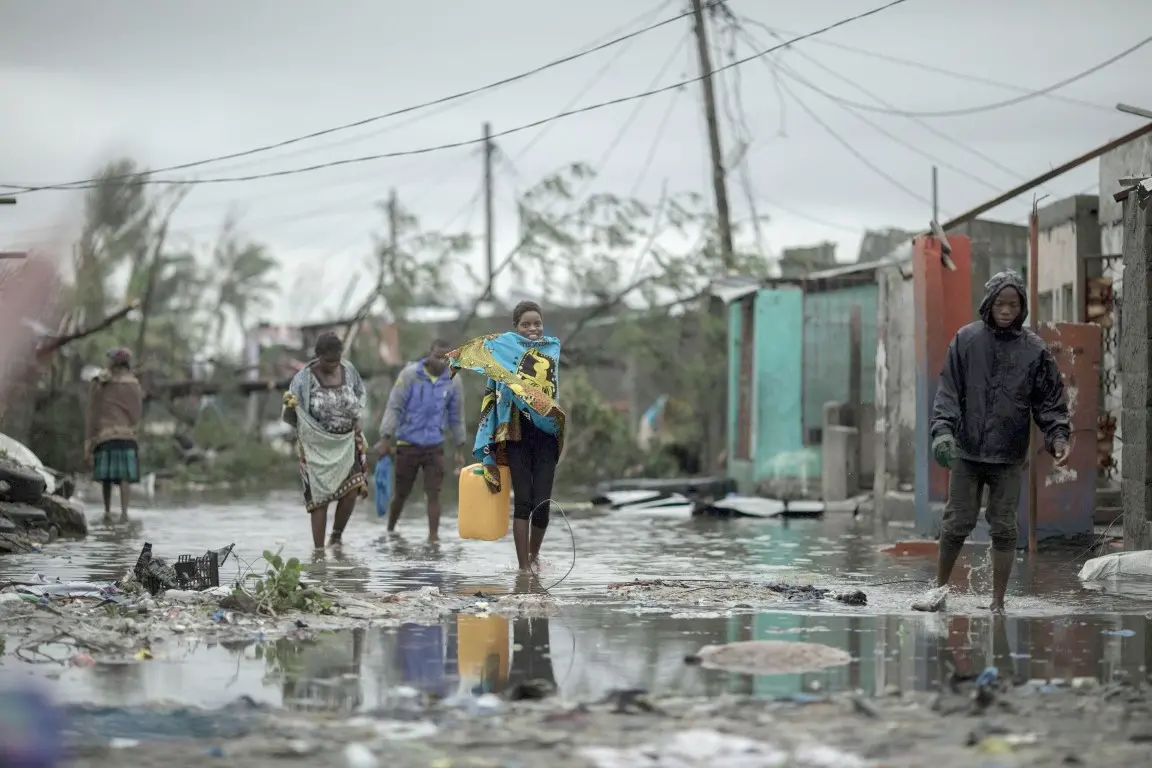
People return to Praia Nova Village, one of the most affected neighbourhoods following a cyclone in the coastal city of Beira, Mozambique, Sunday March 17, 2019. Families are returning to the vulnerable shanty town following cyclone high winds and rain. More than 1,000 people are feared dead in Mozambique four days after a cyclone slammed into the southern African country. (Josh Estey/CARE via AP)
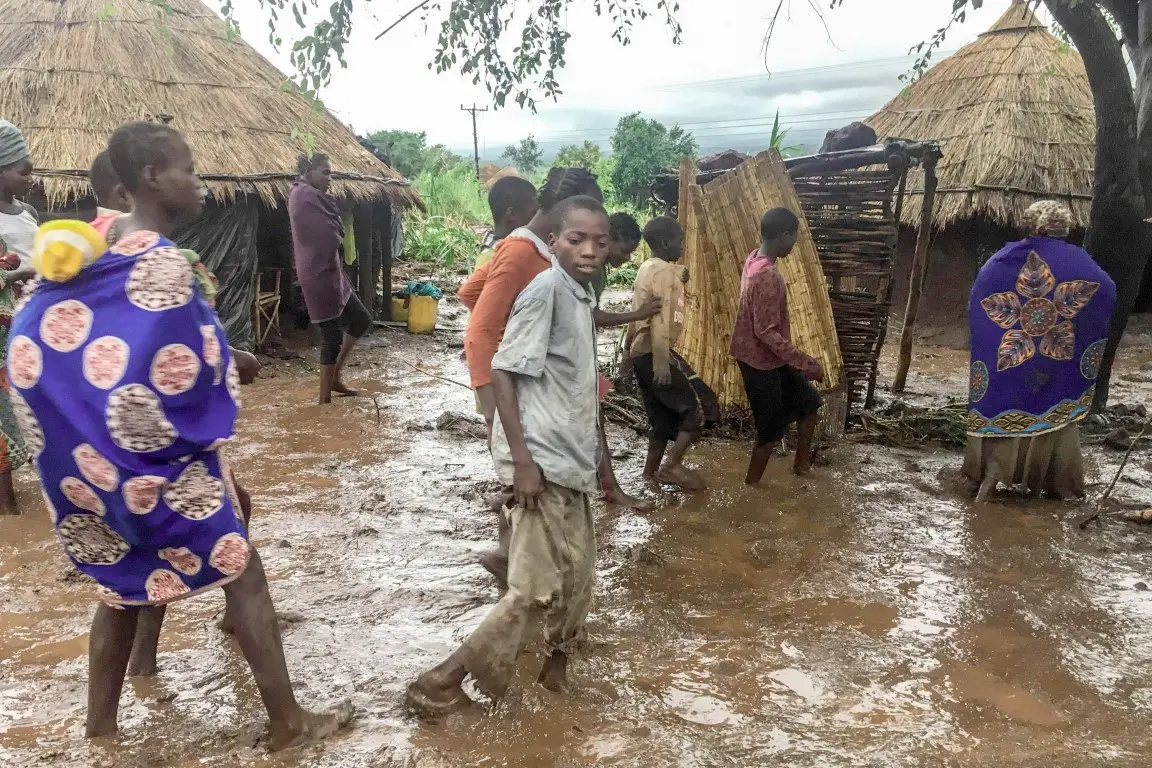
epa07446406 Inhabitants of Chiluvi, a village in central Mozambique, walk along a flooded and muddy street after Cyclone Idai and Floods that hit the region, in Nhamatanda, Mozambique, 13 March 2019 (Issued 18 March 2019). Chiluvo, together with Nhamatanda, Sofala, illustrates the tragedy that is experienced throughout the central region of Mozambique, especially in the provinces of Sofala and Manica, where there will already be between 73 and 84 confirmed deaths, according to official figures, leaving thousands in need of relief for remaining isolated in a flooded region. EPA/ANDRE CATUEIRA BEST QUALITY AVAILABLE
This image made available by International Federation of Red Cross and Red Crescent Societies (IFRC) on Monday March 18, 2019, shows an aerial view from a helicopter of flooding in Beira, Mozambique. The Red Cross says that as much as 90 percent of Mozambique's central port city of Beira has been damaged or destroyed by tropical Cyclone Idai. (Caroline Haga/International Federation of Red Cross and Red Crescent Societies (IFRC) via AP)
In this photo taken on Friday, March 15, 2019 and provided by the International Red Cross, damage is seen after Tropical Cyclone Idai, in Beira, Mozambique. Mozambique's President Filipe Nyusi says that more than 1,000 may have by killed by Cyclone Idai, which many say is the worst in more than 20 years. Speaking to state Radio Mozambique, Nyusi said Monday, March 18 that although the official death count is currently 84, he believes the toll will be more than 1,000. (Denis Onyodi/IFRC via AP) [CopyrightNotice: IFRC Climate Centre]
In this photo taken on Friday, March 15, 2019 and provided by the International Red Cross, a woman hangs a cloth to dry in a sea of rubble after Tropical Cyclone Idai, in Beira, Mozambique. Mozambique's President Filipe Nyusi says that more than 1,000 may have by killed by Cyclone Idai, which many say is the worst in more than 20 years. Speaking to state Radio Mozambique, Nyusi said Monday, March 18 that although the official death count is currently 84, he believes the toll will be more than 1,000. (Denis Onyodi/IFRC via AP) [CopyrightNotice: IFRC Climate Centre]
In this photo taken on Friday, March 15, 2019 and provided by the International Red Cross, people carry their personal effects after Tropical Cyclone Idai, in Beira, Mozambique. Mozambique's President Filipe Nyusi says that more than 1,000 may have by killed by Cyclone Idai, which many say is the worst in more than 20 years. Speaking to state Radio Mozambique, Nyusi said Monday, March 18 that although the official death count is currently 84, he believes the toll will be more than 1,000. (Denis Onyodi/IFRC via AP) [CopyrightNotice: IFRC Climate Centre]